
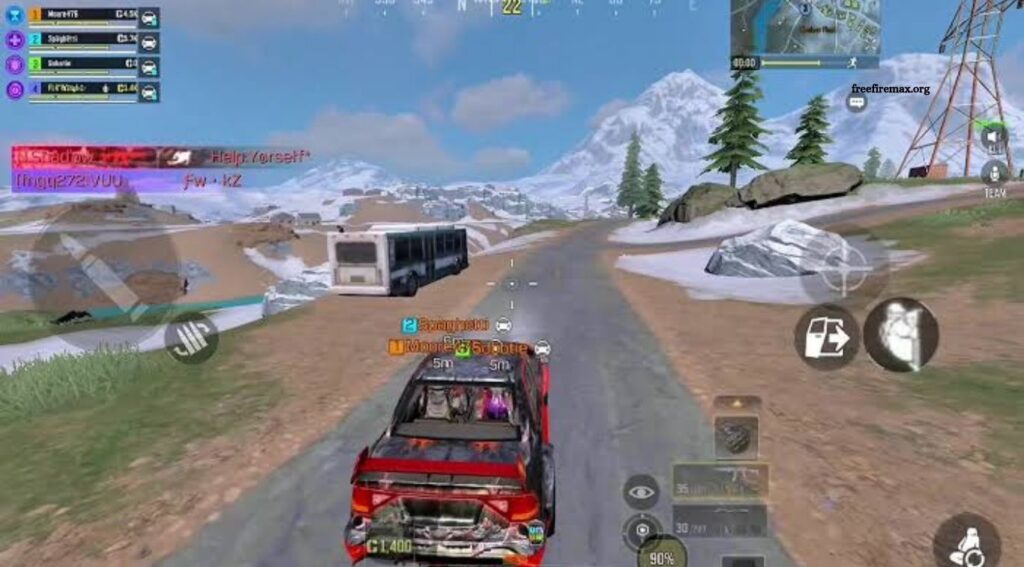
Squad matches require more than quick reflexes and accurate shooting. Strong team communication, smart positioning, resource management, movement, and decision-making can completely change the outcome of a match. Players who understand their role and coordinate with teammates consistently gain a major advantage over unorganized squads.
Playing like a professional does not mean winning every gunfight. Professional-level squad gameplay focuses on making better decisions, avoiding unnecessary risks, supporting teammates, and controlling important areas of the map. With the right habits and regular practice, players can improve their squad performance and become more reliable team members.
Read More: Best Survival Strategies for Solo Players
Understand Your Role in the Squad
Every squad performs better when each player understands their responsibility. A team can include an entry fragger, support player, sniper, scout, or leader. Players can have flexible roles depending on the situation, but clear responsibilities prevent confusion during important fights.
An aggressive player can lead pushes and create openings, while a support player provides cover and carries useful supplies. A sniper can provide long-range information and pressure enemies from a distance. The squad leader focuses on rotations, positioning, and major decisions.
Understanding your role also prevents unnecessary competition between teammates. Instead of chasing every elimination, focus on what helps the entire squad survive and win.
Improve Squad Communication
Communication remains one of the most important skills in professional squad matches. Good communication should be short, clear, and useful. Instead of shouting random information during a fight, provide details about enemy locations, movement, health, weapons, and positioning.
Useful callouts can include enemy direction, distance, building locations, knocked players, and rotation routes. Simple information such as “two enemies behind the rock” gives teammates enough information to react quickly.
Voice communication becomes especially valuable during close-range fights. However, avoid unnecessary talking because excessive communication can hide important footsteps or enemy movement.
Choose the Right Landing Location
A professional squad does not choose a landing location randomly. The landing area should match the team’s strategy and skill level. High-loot locations can provide better equipment but often attract several squads. Quieter locations allow safer looting and better preparation before entering major fights. Your team should consider the flight path, available vehicles, nearby zones, and expected enemy activity before landing.
Landing together also reduces the chance of losing a teammate during the opening phase. Stay close enough to provide immediate support without standing in the same location.
Loot Efficiently
Spending too much time looting can create unnecessary danger. Professional players collect essential equipment quickly and move toward the next objective.
Prioritize your main weapon, ammunition, armor, healing items, grenades, and other useful equipment. Avoid carrying unnecessary items that occupy valuable inventory space.
Squad members should also share resources. If one teammate has excessive ammunition while another is running low, redistribute supplies. Team-based resource management can make the squad stronger during longer fights.
Master Positioning
Positioning often matters more than mechanical skill. A player with average aim can survive longer by using strong cover and high ground, while a highly skilled player can lose quickly after exposing themselves.
Whenever possible, use solid cover such as buildings, rocks, walls, ridges, and other protective structures. Avoid standing in open areas without an escape route.
High ground can provide better visibility and shooting angles. However, high ground is not always safe. Consider enemy positions, available cover, and possible rotations before taking an elevated position.
Move as a Team
A common squad mistake involves players spreading too far apart. When teammates cannot support each other, an enemy squad can easily isolate individual players. Maintain a practical distance that allows teammates to provide covering fire or revive a knocked player.
Avoid moving directly on top of one another because a single grenade or area attack can affect multiple players. Professional squads move together while maintaining enough spacing to reduce vulnerability.
Learn When to Fight and When to Retreat
Winning every fight is not necessary to win a match. Strong players understand when combat provides an advantage and when it creates unnecessary risk.
Before engaging, consider your squad’s health, equipment, position, enemy numbers, zone location, and available cover. If your team has a strong position and better resources, taking the fight can make sense.
If the enemy has superior positioning or your squad is already damaged, repositioning can be the smarter decision. Retreating is not weakness. It is a tactical decision that preserves the squad for a better opportunity.
Use Cover During Gunfights
Standing in the open while shooting makes a player an easy target. Professional players constantly think about protection before engaging enemies.
Use the environment to create favorable angles. Peek from cover, fire, reposition, and avoid exposing your entire body unnecessarily. After dealing damage, change your position when possible so enemies cannot easily predict your next move.
Crossfire can also make squad fights much easier. Two or more teammates attacking from different angles can force enemies away from cover and create opportunities for eliminations.
Control Important Areas
Map control becomes increasingly important as the match progresses. Your squad should think beyond individual enemies and focus on strategic locations.
High ground, buildings, bridges, chokepoints, compounds, and rotation routes can provide significant advantages. Holding an important position allows your team to gather information and prepare for approaching enemies.
Do not remain in one location simply because it feels safe. Monitor the zone and surrounding movement. A strong position can become dangerous if the next safe area moves elsewhere.
Rotate Before the Zone Forces You
Late rotations often create unnecessary pressure. Professional squads usually plan their movement before the zone becomes a major threat. Look at the next safe area and identify possible routes.
Consider vehicles, terrain, enemy positions, and available cover. Moving early can help your squad secure a strong position before other teams arrive. If an early rotation is impossible, avoid predictable routes. Open roads and obvious paths can expose the squad to enemy fire.
Use Grenades and Tactical Equipment Wisely
Grenades can change the outcome of squad fights when used correctly. Throw them to force enemies out of cover, block movement, create distractions, or support a coordinated push.
Avoid throwing every grenade immediately. Save tactical equipment for moments when it can create a meaningful advantage. A well-timed grenade followed by coordinated team pressure can be more effective than several poorly planned attacks.
Revive Teammates Safely
Reviving a teammate should always involve situational awareness. Rushing toward a knocked player without checking the surroundings can turn one casualty into a full squad wipe.
First determine where the enemy is positioned. Use smoke, cover, distractions, or suppressive fire when available. Another teammate should watch for enemies while the revive takes place.
Sometimes leaving a teammate temporarily is safer than exposing the entire squad. Make the decision based on the current fight rather than emotion.
Practice Aim and Movement Separately
Mechanical skills remain important for professional-level gameplay. Spend dedicated practice time improving aim, recoil control, movement, tracking, and reaction speed.
Practice common combat situations rather than only playing full matches. Work on close-range fights, mid-range engagements, quick peeking, movement while shooting, and target switching.
Once individual mechanics improve, transfer those skills into real squad matches. This approach makes improvement more measurable and consistent.
Study Your Mistakes After Every Match
Professional players improve by reviewing mistakes instead of blaming teammates. After a match, think about the moments that changed the outcome.
Ask yourself whether the squad rotated too late, entered a fight without enough information, separated during combat, wasted resources, or selected a poor position.
Identifying repeated mistakes creates a clear improvement path. If the same problem appears across several matches, focus training on that specific weakness.
Build Strong Team Chemistry
A coordinated squad can outperform a group of individually skilled players. Team chemistry develops through consistent communication, shared strategies, and trust.
Play regularly with the same teammates when possible. Learn how each player approaches fights, rotations, revives, and resource management.
Avoid unnecessary arguments during matches. Blaming teammates after mistakes rarely improves the situation. Focus on the next decision and keep communication constructive.
Stay Calm During Final Circles
The final stages of a squad match create intense pressure. Players often make rushed decisions because they want quick eliminations.
Stay patient and gather information before moving. Track enemy positions, monitor the zone, preserve healing items, and avoid unnecessary gunfire when it can reveal your location.
During the final fight, coordination becomes critical. Move together, maintain useful spacing, focus targets when possible, and communicate every important enemy movement.
Frequently Asked Questions
How can I play squad matches like a professional?
Focus on communication, positioning, teamwork, smart rotations, and consistent practice.
Why is communication important in squad matches?
Clear callouts help teammates track enemies, coordinate attacks, share resources, and make faster decisions.
How should I choose a landing location?
Choose locations based on loot availability, enemy activity, zone position, and your squad’s preferred playstyle.
When should I avoid a squad fight?
Avoid fights when your team has poor positioning, limited resources, low health, or a major disadvantage.
How can I improve squad teamwork?
Stay within support range, share resources, coordinate pushes, protect teammates, and maintain clear communication.
How can I improve my squad gameplay quickly?
Practice aiming and movement, review mistakes after matches, learn map positioning, and develop consistent team strategies.
Conclusion
Playing squad matches like a professional requires more than impressive aim. Communication, positioning, teamwork, resource management, rotations, and smart decision-making create the foundation of strong squad gameplay. Focus on improving one skill at a time. Communicate clearly, stay close enough to support teammates, choose fights carefully, use cover effectively, and learn from every mistake. With consistent practice and better tactical awareness, ordinary squad matches can become a structured path toward professional-level gameplay.


Pingback: Free Fire MAX Training Mode Guide - Free Fire Max