
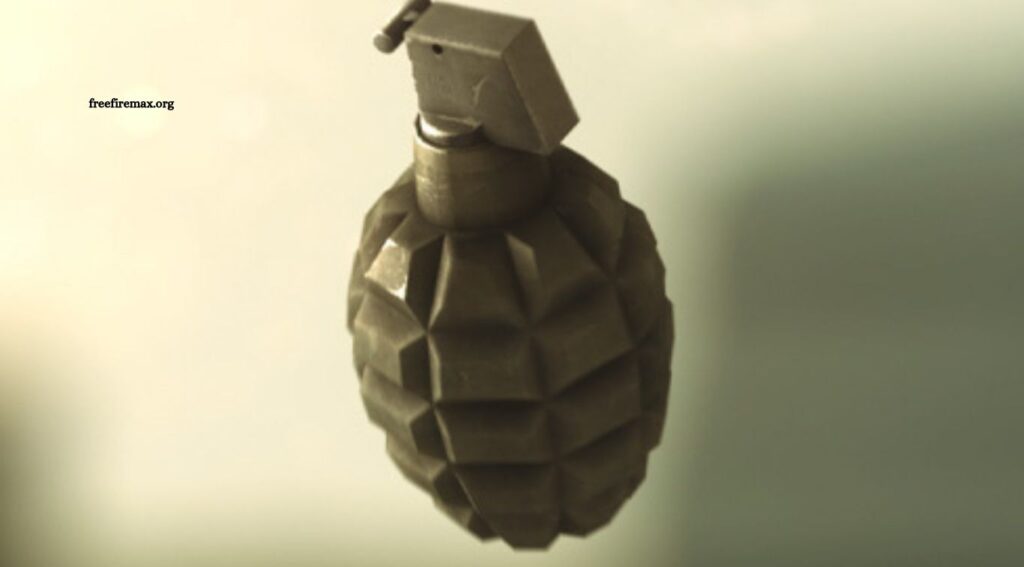
Grenades can completely change the outcome of a fight in Free Fire MAX. While weapons are usually the main focus during combat, throwable items can force opponents out of cover, create opportunities for attacks, and interrupt defensive positions. Players who understand when and where to use grenades can gain a tactical advantage without relying only on gunfire.
Using grenades effectively requires timing, positioning, and awareness. Throwing them randomly can waste valuable resources or reveal your position without achieving anything. A strong grenade strategy involves understanding the battlefield, predicting enemy movement, and using the right throwable for the situation.
Read More: Free Fire MAX Map Guide for Beginners
Understanding Grenades in Free Fire MAX
Different throwable items serve different tactical purposes. Explosive grenades can deal damage and pressure opponents, while other utility throwables can provide smoke, create distractions, or influence how enemies move. Understanding these differences helps players select the right tool instead of using every throwable in the same way.
Beginners should practice switching between throwables quickly during matches. A grenade is most useful when it supports the player’s overall strategy rather than replacing normal weapons. Learning the strengths and limitations of each throwable can make inventory management and combat decisions much more efficient.
Timing Is More Important Than Quantity
A common mistake is throwing grenades immediately after spotting an enemy. An opponent may simply move away before the grenade becomes effective, leaving the player without an important resource. Waiting for the right moment can make the same grenade much more valuable.
Good timing often comes from observing enemy behavior. If an opponent is healing, reviving a teammate, looting, or trapped behind limited cover, a well-timed throwable can create pressure. Players should focus on the situation rather than throwing grenades simply because they have them available.
Using Grenades to Flush Enemies From Cover
Cover gives opponents protection from direct gunfire, but it can also restrict their movement. A grenade can force an enemy to leave a building, corner, wall, or other defensive position. This creates an opportunity to attack while the opponent is moving.
Players should avoid rushing immediately after every throw. The opponent may move in an unexpected direction or use another defensive option. Watching the area and preparing the weapon before the grenade lands can help players capitalize on the pressure without exposing themselves unnecessarily.
Grenades During Close-Range Fights
Close-range combat can become unpredictable because opponents may move rapidly between buildings and cover. Grenades can help control these encounters by making certain positions dangerous or forcing enemies to reposition.
Players should combine throwables with movement rather than standing still after throwing. Maintaining a good angle and keeping an escape route available is important because an opponent may push aggressively after surviving the grenade. Utility should create an opening, while weapon positioning and movement should complete the play.
Using Grenades Against Squad Positions
Grenades become especially valuable when fighting squads because multiple enemies may occupy the same area. A well-placed throwable can disrupt the group’s formation and make communication more difficult. Even when it does not eliminate anyone, forcing several opponents to move can create temporary openings.
Squad coordination is important during these situations. One teammate can apply grenade pressure while another watches an escape route or prepares for a push. This prevents the entire squad from focusing on the same action and gives the team more control over the engagement.
Using Smoke for Strategic Movement
Smoke-based utility can be useful when players need to cross exposed areas or create visual confusion. Instead of using smoke only after taking damage, players can sometimes deploy it proactively to support a rotation or change the opponent’s line of sight.
Smoke can also help squads reposition during difficult situations. However, players should remember that smoke affects visibility for everyone. Enemies may use the same visual disruption to move closer or change positions, so players should remain alert rather than assuming smoke automatically provides safety.
Grenades for Defensive Situations
Throwables are not limited to attacking. Players can use them defensively when opponents are pushing their position. Creating pressure near an approach route may slow an enemy attack and give the defending player time to reposition.
Defensive grenade use works best when combined with strong cover. Players should avoid exposing themselves simply to throw a throwable. If the enemy already has a strong angle, maintaining cover and waiting for a better opportunity can be more effective than making an aggressive move.
Predicting Enemy Movement
Advanced grenade use depends heavily on prediction. Players should think about where an opponent is likely to move rather than aiming only at the opponent’s current position. If an enemy has limited escape routes, a throwable can be directed toward the area they are most likely to use.
Map knowledge makes prediction easier. Familiarity with buildings, corners, doors, windows, and common defensive positions helps players anticipate movement. Over time, players can develop better instincts by reviewing how opponents reacted to previous grenade throws.
Using Grenades Without Revealing Too Much
Throwing a grenade can reveal that a player is nearby, especially when opponents hear or observe the throw. Players should therefore consider whether the tactical benefit is worth revealing their position.
A useful approach is to combine grenade use with movement and changing angles. After applying pressure, players can reposition rather than remaining in exactly the same location. This makes it harder for opponents to predict where the next attack will come from.
Common Grenade Mistakes
One of the most common mistakes is wasting grenades on targets that are already moving away. Another is carrying several throwables but never using them before the final stages of the match. Players should learn to recognize situations where utility can provide meaningful value.
Another mistake is becoming too focused on grenade damage. A throwable does not need to knock down an opponent to be successful. Forcing someone out of cover, interrupting a heal, separating teammates, or creating a rotation opportunity can all be valuable outcomes.
Practicing Grenade Skills
Improving grenade accuracy requires practice. Players should experiment with different throwing angles, distances, and situations while paying attention to how long it takes for the throwable to reach its target. Practice can also improve confidence when making quick decisions during real matches.
Players can review unsuccessful throws and identify what went wrong. The issue might have been timing, positioning, prediction, or simply choosing the wrong type of throwable. Small adjustments made consistently can turn grenade use from an occasional tactic into a reliable part of a player’s combat strategy.
Frequently Asked Questions
What is the best way to use grenades?
Use grenades to pressure enemies, force movement, disrupt cover, or create openings rather than throwing them randomly.
Should beginners carry grenades?
Yes. Beginners can benefit from carrying useful throwables while gradually learning when each type works best.
Can grenades help against squads?
Yes. Grenades can disrupt grouped opponents and force squad members to reposition.
When should I use smoke?
Smoke can help with rotations, repositioning, crossing exposed areas, or disrupting enemy visibility.
Why do my grenades miss?
Poor timing, incorrect positioning, inaccurate prediction, and unfamiliarity with throwing distances can all cause missed throws.
Do grenades need to deal damage to be useful?
No. Forcing an enemy out of cover or interrupting their actions can provide significant tactical value.
Conclusion
Using grenades like a pro in Free Fire MAX is about much more than throwing them toward enemies. Effective players use throwables to control movement, break defensive positions, support teammates, create openings, and influence the pace of fights. Timing and prediction are often more important than simply carrying a large number of grenades. The best grenade users also understand when not to throw. Good utility management preserves resources for serious situations while avoiding unnecessary risks. With regular practice, better map awareness, and careful observation of enemy movement, players can make grenades an important part of their overall Free Fire MAX strategy.

Pingback: Free Fire MAX Inventory Management Guide - Free Fire Max