
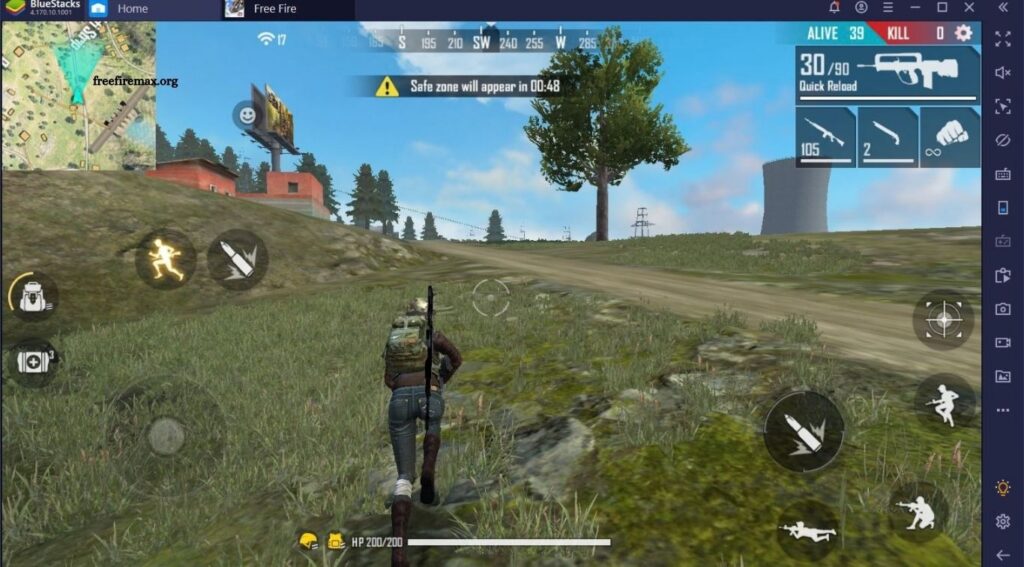
Free Fire continues to evolve with gameplay improvements, new combat features, character abilities, and tactical options that keep matches exciting. These changes can influence how players move, fight, survive, and work with teammates. Understanding Free Fire’s gameplay mechanics helps beginners learn the basics while giving experienced players new ways to improve their performance.
Whether you enjoy ranked matches, Clash Squad, or Battle Royale, learning how game mechanics work can provide a competitive advantage. From weapon handling and movement strategies to character skills and team coordination, every decision can affect the outcome of a match. This guide explains the essential Free Fire gameplay mechanics, important combat systems, and practical tips for improving your gaming experience.
Read More: Free Fire Latest Patch: 10 Things You May Have Missed
Understanding Free Fire Gameplay Mechanics
Free Fire gameplay mechanics are the systems and rules that determine how players move, use weapons, activate abilities, collect resources, and interact with opponents. These mechanics influence every stage of a match, from landing on the map to surviving the final circle.
Understanding these systems allows players to make smarter decisions during combat. Learning movement controls, weapon behavior, healing mechanics, and zone rotations can help reduce mistakes and improve survival. Players should also remember that specific features may change with game updates, so checking current in-game information is important.
New Updates and Gameplay Changes
Free Fire receives updates that may introduce new characters, weapons, events, balance adjustments, and gameplay improvements. These changes can affect established strategies and encourage players to experiment with different approaches. However, not every update introduces entirely new combat mechanics, and features may differ between Free Fire and Free Fire MAX.
Players should review official patch notes after major updates to understand what has changed. Pay attention to weapon adjustments, character skill changes, map updates, and interface improvements. Testing these changes in practice matches can help you understand their effects before using unfamiliar strategies in ranked games.
Improved Movement and Combat Positioning
Movement plays an important role in Free Fire because players must avoid incoming fire while maintaining accurate aim. Running, crouching, jumping, and changing direction can make movement less predictable, but unnecessary actions may also reduce shooting accuracy or leave you exposed.
Good positioning is often more effective than moving constantly. Use walls, rocks, buildings, and other available cover to reduce exposure during fights. When moving between locations, avoid open areas whenever possible and consider the position of nearby enemies before crossing dangerous terrain.
Weapon Handling and Shooting Mechanics
Weapon handling determines how effectively players can deal damage during different combat situations. Free Fire offers several weapon categories, including assault rifles, submachine guns, shotguns, sniper rifles, and pistols. Each category has different characteristics related to range, firing speed, damage, and recoil.
Choosing the right weapon for your playstyle can improve combat performance. Shotguns can be useful in close-range encounters, while sniper rifles support long-range engagements. Practice controlling recoil, adjusting aim, and choosing appropriate firing distances. Learning when to fire short bursts instead of holding the trigger can also improve accuracy with certain weapons.
Character Abilities and Skill Combinations
Character abilities are an important part of Free Fire’s gameplay system. Different characters provide skills that may support healing, movement, defense, information gathering, or offensive strategies. Selecting suitable abilities can help players build a loadout that matches their preferred combat style.
Before choosing a character combination, consider your role and game mode. Aggressive players may prefer skills that support attacking opponents, while defensive players may benefit from abilities focused on survival or team support. Character skills can change through balance updates, so review their current descriptions and experiment with combinations before entering competitive matches.
Gloo Wall Mechanics and Defensive Strategies
Gloo Walls are a key defensive tool in Free Fire. When deployed successfully, they create temporary cover that can block enemy fire and provide opportunities to heal, reposition, or protect teammates. Quick and effective placement can make a major difference during close-range fights.
To improve your Gloo Wall usage, practice placing barriers while moving and aiming. Use them to escape dangerous situations, cross exposed areas, and create safer positions during combat. Avoid placing walls without considering enemy angles, available space, and your next movement. Experienced players often combine defensive cover with quick repositioning to create better attack opportunities.
Battle Royale Zone and Survival Mechanics
The shrinking safe zone is one of the main systems that shapes Free Fire’s Battle Royale matches. As the play area becomes smaller, players must move toward safer locations while avoiding damage from the dangerous zone. This creates pressure and encourages encounters between surviving opponents.
Successful zone management requires planning and awareness. Check the minimap regularly, estimate the distance to the next safe area, and avoid waiting until the final moment to rotate. Reaching a strong position early can provide better cover and visibility. However, always consider nearby opponents because a safe location is not necessarily an uncontested one.
Looting and Resource Management
Looting allows players to collect weapons, ammunition, armor, medical supplies, and other useful equipment. The items available during a match influence your combat options and ability to survive difficult encounters. Efficient looting helps players prepare without spending too much time searching buildings.
Prioritize essential equipment before collecting unnecessary items. Find a suitable primary weapon, enough ammunition, healing supplies, and protective gear when available. Organize your inventory according to your needs and game mode. Leaving a loot area at the right time is often better than continuing to search while the safe zone closes or nearby enemies approach.
Clash Squad Gameplay Mechanics
Clash Squad offers a faster combat experience than Battle Royale because teams compete in shorter rounds. Players purchase equipment using available match resources, select weapons, and coordinate attacks to defeat the opposing team. Quick decisions and teamwork are especially important because mistakes can affect the outcome of an entire round.
To perform better in Clash Squad, communicate with teammates, choose weapons suitable for the map, and manage your spending carefully. Avoid rushing into several opponents without support. Coordinate pushes, use defensive equipment when appropriate, and learn from previous rounds. Understanding enemy positions and adapting your strategy can help your team maintain an advantage.
Teamwork and Communication Features
Teamwork is essential in squad-based Free Fire matches. Players can share information about enemy locations, coordinate movement, provide support, and help teammates recover when situations allow. Good communication reduces confusion and makes it easier to respond to unexpected attacks.
Use available communication tools to share useful information instead of sending unnecessary messages during combat. Stay close enough to support teammates while avoiding situations where one enemy can attack the entire squad at once. Balanced teamwork combines individual skill with coordinated decisions, including choosing landing locations, rotating together, and deciding when to engage or retreat.
Tips for Mastering New Gameplay Mechanics
Learning new mechanics requires regular practice and patience. Instead of changing your entire playstyle after every update, focus on one feature at a time. For example, spend one session practicing Gloo Wall placement, another improving weapon accuracy, and another learning safer zone rotations.
Use these practical tips to improve your performance:
- Practice aiming in training mode.
- Test unfamiliar weapons before ranked matches.
- Review character skills after major updates.
- Improve movement while maintaining accurate aim.
- Use cover instead of fighting in open areas.
- Learn map locations and rotation routes.
- Communicate clearly with your teammates.
- Review mistakes after difficult matches.
Consistent practice helps you understand which strategies work best for your abilities. Track your progress over time and adjust your approach when a particular tactic repeatedly fails.
Common Mistakes Players Should Avoid
Many Free Fire players struggle because they focus only on eliminations instead of understanding the wider gameplay system. Rushing toward every enemy, ignoring the safe zone, wasting defensive equipment, or choosing unsuitable weapons can create unnecessary risks.
Another common mistake is copying advanced players without understanding their decisions. A strategy that works for an experienced player may not suit your current skill level, character combination, or game mode. Learn the fundamentals first, improve your decision-making, and gradually experiment with advanced tactics as your confidence grows.
Benefits of Understanding Free Fire Gameplay Mechanics
Learning gameplay mechanics helps players understand how different systems work together. Better movement can improve positioning, effective weapon selection can increase combat efficiency, and smart resource management can support survival throughout a match. These skills also help players react more confidently when opponents use unexpected strategies.
A strong understanding of the game can improve decision-making in both solo and team matches. Players may become more effective at selecting landing locations, managing fights, supporting teammates, and reaching safer positions. Although no strategy guarantees victory, understanding core mechanics creates a stronger foundation for consistent improvement.
Frequently Asked Questions
What are Free Fire gameplay mechanics?
They are the systems governing movement, weapons, character abilities, combat, looting, and survival.
How can I learn new Free Fire mechanics?
Practice in training mode, review update notes, and test new strategies in casual matches.
Why are Gloo Walls important in Free Fire?
Gloo Walls provide temporary cover, helping players defend themselves, heal, and reposition during fights.
Do Free Fire updates change gameplay mechanics?
Yes. Updates may adjust weapons, character skills, maps, and other gameplay features.
How can beginners improve their Free Fire skills?
Practice aiming, learn weapon behavior, use cover, and develop better movement and positioning.
What is the best strategy for winning Free Fire matches?
Focus on positioning, resource management, safe-zone awareness, and teamwork rather than chasing eliminations.
Conclusion
Free Fire gameplay mechanics influence every part of the experience, from weapon selection and character abilities to movement, defensive tools, and safe-zone management. Understanding these systems helps players make better decisions, avoid common mistakes, and adapt to changing match situations. As Free Fire continues to receive updates, players should follow official patch notes and test new features before relying on them in competitive matches. Focus on regular practice, teamwork, positioning, and smart resource management. With patience and the right approach, you can develop stronger skills and enjoy a more rewarding Free Fire experience.

Pingback: Free Fire Update: The New Features Players Are Talking About - Free Fire Max