
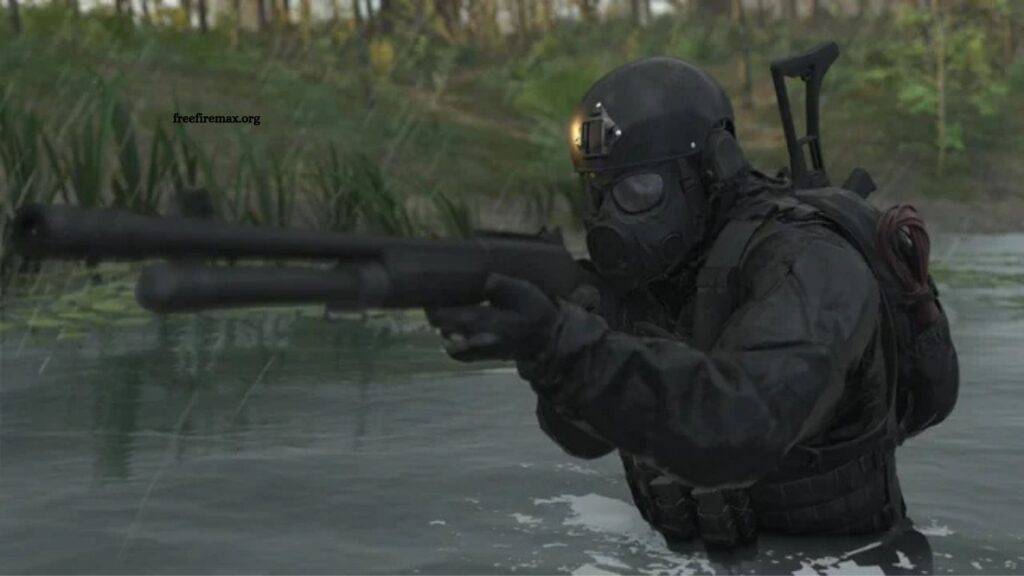
Close-range fights can change the outcome of a match within seconds. Shotguns deliver powerful damage at short distances, making them a strong choice for aggressive players who know how to control movement, positioning, and timing.
Winning shotgun battles requires more than fast reactions. Good positioning, accurate aiming, smart movement, and proper weapon handling can turn difficult encounters into consistent victories. This Shotgun Guide: Best Close-Range Strategies explains practical techniques that can help players improve their close-range performance.
Read More: Best Sniper Tips for Long-Range Battles
Understanding Shotgun Combat
Shotguns are designed for close-range engagements. Their damage potential makes them highly effective inside buildings, around corners, and in tight spaces where enemies have limited room to escape.
Each shotgun can behave differently depending on its firing mechanism, pellet spread, reload speed, range, and damage output. Learning these characteristics helps players understand when to engage and when to create distance.
Shotgun combat also rewards confidence. Hesitation can give opponents enough time to react, while reckless rushing can leave you exposed. The goal is to combine aggression with controlled decision-making.
Choose the Right Shotgun
Weapon selection plays an important role in close-range fights. Pump-action shotguns can deliver heavy damage with accurate shots, while semi-automatic options may provide faster follow-up attacks.
Consider your preferred playstyle when choosing a shotgun. Players who rely on precise timing may prefer high-damage weapons, while aggressive players may benefit from faster firing options.
Understanding the weapon before entering a match is equally important. Practice its effective range, reload timing, recoil behavior, and movement limitations.
Master Close-Range Positioning
Positioning is one of the most important shotgun strategies. A shotgun becomes less effective when an enemy maintains a comfortable distance.
Use buildings, walls, vehicles, rocks, and other cover to reduce the distance safely. Corners can also create opportunities for surprise attacks because opponents have limited reaction time.
Avoid standing in open areas while carrying a shotgun. If an enemy has a long-range weapon, the fight may become difficult before you reach effective shotgun distance.
Aim for High-Value Shots
Shotguns can deal significant damage when multiple pellets connect with the target. Aim placement therefore matters greatly. Keep your crosshair around upper-body level while moving. When an enemy enters close range, adjust quickly toward the chest or head depending on the game’s damage mechanics.
Avoid aiming too low. Pellets may miss important hit areas, reducing the effectiveness of your attack. Practice quick target acquisition rather than relying only on random hip-fire. Good crosshair placement allows you to react faster when an opponent suddenly appears.
Use Movement to Your Advantage
Standing still during a shotgun fight makes you an easy target. Movement creates uncertainty and can make it harder for opponents to land accurate shots.
Strafe from side to side while keeping your crosshair on the enemy. Combine short movements with controlled direction changes instead of running randomly.
Jumping can sometimes help avoid incoming attacks, but excessive jumping may reduce your own accuracy depending on the game. Learn the movement mechanics of your specific game and use them deliberately.
Master the Shot-and-Move Technique
One useful shotgun technique involves firing and immediately repositioning. Take a shot, move away from the enemy’s expected counterattack, then prepare for the next opportunity. This approach prevents you from becoming predictable.
The technique works especially well with pump-action shotguns because the weapon may require time between shots. Instead of standing still during the delay, use that moment to change your position.
Use Cover During Reloads
Reloading can leave you vulnerable. Shotguns often require individual shells or extended reload animations, making timing extremely important. Never reload directly in front of an enemy when possible. Move behind cover, create distance, or use the environment to block incoming fire.
Learn how much ammunition you realistically need for an engagement. Sometimes carrying a partially loaded weapon is better than spending valuable seconds completing a full reload.
Control Your Engagement Distance
Distance management separates experienced shotgun players from beginners. Stay close enough to maximize shotgun damage, but avoid unnecessary exposure. If the enemy begins moving backward, use cover and movement to close the gap rather than chasing blindly.
When the distance becomes too large, consider switching to a secondary weapon. A shotgun should not be forced into situations where another weapon type has a clear advantage.
Take Advantage of Corners
Corners are extremely useful during close-range combat. They allow players to hide their position and force opponents to enter a predictable area. Hold your crosshair near the corner where an enemy is likely to appear. When the opponent pushes, you can react immediately.
Avoid repeatedly using the same corner. Smart opponents may anticipate your position and pre-aim the area. Changing locations keeps your attacks unpredictable.
Learn When to Push
Aggressive shotgun play works best when you recognize the right moment to attack. Push when an opponent is reloading, healing, recovering from another fight, or separated from teammates. These situations reduce the enemy’s ability to respond effectively.
Avoid pushing simply because an enemy is nearby. Check your health, ammunition, positioning, and escape route before committing to a fight.
Avoid Common Shotgun Mistakes
Many shotgun players lose fights because they become overly aggressive. Running directly toward an enemy without using cover can make your movement predictable. Another common mistake involves firing too early. Shooting outside the weapon’s effective range can waste ammunition and reveal your position.
Poor reload timing can also end a fight quickly. Reloading while an opponent is pushing creates an unnecessary disadvantage. Finally, avoid depending entirely on one weapon. A strong secondary weapon gives you more options when the fight moves beyond shotgun range.
Practice Your Close-Range Aim
Consistent shotgun performance comes from repetition. Use training areas or practice matches to improve your reaction speed, crosshair placement, and movement.
Practice targets at different distances. Learn how the pellet spread changes as the range increases. Experiment with hip-fire and aiming-down-sights mechanics if your game supports both.
Focus on accuracy rather than simply shooting as quickly as possible. A well-placed shot can be more valuable than several poorly aimed attacks.
Combine Shotguns With a Secondary Weapon
A shotgun works best as part of a balanced loadout. Pair it with a weapon capable of handling medium or long-range encounters. An assault rifle, submachine gun, marksman weapon, or similar option can cover situations where closing the distance is unsafe.
Switching weapons can also be faster than reloading during an intense fight. Learn when to reload and when to transition to your secondary weapon.
Use Sound to Predict Enemy Movement
Audio awareness can provide a major advantage during close-range fights. Footsteps, reload sounds, doors, and movement through different surfaces can reveal an opponent’s location.
Listen carefully before entering buildings or turning corners. If you know where an enemy is positioned, you can prepare your crosshair and choose a better approach.
Reducing unnecessary background noise through appropriate audio settings can make important gameplay sounds easier to recognize.
Stay Calm During Close Fights
Shotgun battles happen quickly, which can cause players to panic. Panic often leads to missed shots, uncontrolled movement, and poor decisions.
Keep your crosshair steady and focus on the opponent’s position. After firing, immediately evaluate the situation instead of blindly shooting again.
Confidence comes from practice. The more familiar you become with your weapon and movement mechanics, the easier it becomes to remain composed under pressure.
Frequently Asked Questions
What is the best range for a shotgun?
Shotguns perform best at close range, where most pellets can hit the enemy and maximize damage.
How can I improve shotgun accuracy?
Practice crosshair placement, quick aiming, movement control, and consistent shot timing in training matches.
Should I use a shotgun for aggressive gameplay?
Yes. Shotguns work well for aggressive players who understand positioning, movement, and close-range engagement timing.
How should I reload a shotgun safely?
Reload behind cover whenever possible, especially during an active fight or when an enemy is approaching.
What weapon pairs well with a shotgun?
A medium- or long-range weapon provides better coverage when enemies stay outside effective shotgun range.
How do I win more shotgun fights?
Use cover, maintain close distance, aim accurately, move unpredictably, and choose the right moment to attack.
Conclusion
Mastering close-range shotgun combat requires accurate aim, smart positioning, controlled movement, and quick decision-making. Using cover, managing distance, timing reloads, and switching weapons when necessary can significantly improve your performance. Practice these techniques regularly to become more confident, consistent, and effective in every close-range battle.

Pingback: How to Play Aggressively Without Losing Rank - Free Fire Max