
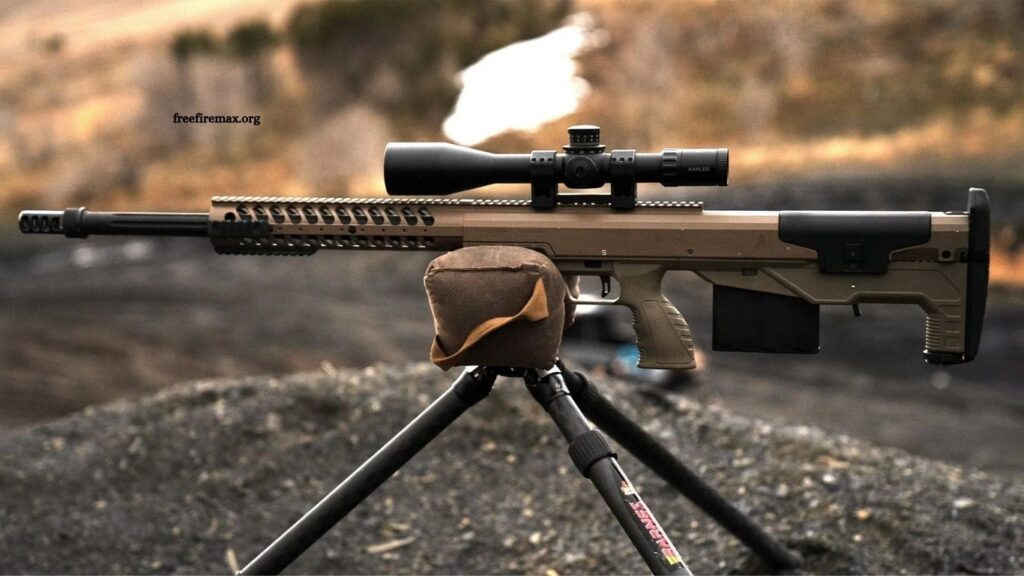
Long-range battles demand patience, accuracy, map awareness, and smart positioning. Sniper gameplay is not only about landing powerful shots; it requires understanding distance, movement, cover, timing, and enemy behavior.
Whether you play a competitive shooter, battle royale, or tactical FPS, strong sniper skills can give you a major advantage. This guide covers the best sniper tips for long-range battles, helping players improve accuracy, positioning, reaction time, and overall battlefield performance.
Read More: Free Fire MAX Control Settings for Beginners
Choose the Right Sniper Rifle
Every sniper rifle has different characteristics. Damage, bullet velocity, recoil, reload speed, scope options, and mobility can greatly affect performance. Before entering a serious match, learn how your chosen weapon behaves at different ranges.
Bolt-action rifles often provide serious damage but require more time between shots. Semi-automatic snipers offer faster follow-up shots but may have lower damage. Choose a weapon that matches your playstyle and the type of battles you expect.
Learn Your Weapon’s Bullet Drop
Bullet drop becomes important during long-range battles. A bullet may not travel in a perfectly straight line over greater distances. The farther the target, the more you may need to adjust your aim.
Spend time in practice mode learning how your rifle behaves at different distances. Test shots against stationary targets and gradually increase the range. Understanding bullet travel and drop can make your shots much more consistent during real matches.
Find Strong Sniper Positions
Positioning can determine whether a sniper survives or gets eliminated quickly. Look for elevated areas, buildings, hills, rocks, and other forms of cover that provide a clear view of important locations.
A strong sniper position should offer:
- Wide visibility
- Reliable cover
- Multiple escape routes
- Good distance from enemies
- Access to important areas of the map
Avoid staying in completely exposed locations. A powerful shooting position becomes useless when enemies can easily surround you.
Use Cover Wisely
Cover protects you from enemy fire while giving you opportunities to observe and attack. Instead of standing completely exposed while aiming, use objects such as walls, rocks, trees, vehicles, or terrain.
Peek from cover, take your shot, then return to safety. This technique reduces your exposure and makes it harder for opponents to predict your position.
Practice Aim Before Competitive Matches
Consistent accuracy comes from practice. Spend a few minutes before each session working on your aim. Focus on tracking moving targets, quick-scoping, target switching, and controlled aiming.
Start with large targets at moderate distances. Gradually move toward smaller targets and longer ranges. Regular practice builds muscle memory, allowing you to react naturally during intense fights.
Keep Your Aim Steady
Small aiming movements can become major misses at long distances. Avoid constantly moving your crosshair while waiting for an opportunity. Keep your aim controlled and make small adjustments when necessary.
If the game includes breathing or stabilization mechanics, use them when appropriate. Stable aim can significantly improve precision, especially when targeting small areas of an opponent.
Watch Enemy Movement
Predicting movement is one of the most valuable sniper skills. Players rarely move in completely random patterns. They may run toward cover, move between objectives, follow teammates, or repeatedly use familiar routes.
Observe movement before taking a shot. If an opponent is running sideways, aim slightly ahead of their movement when the game mechanics require leading the target.
Avoid Taking Every Shot
A common beginner mistake is shooting whenever an enemy appears. Missed shots can reveal your position and give opponents time to react.
Sometimes patience creates a better opportunity. Wait until the enemy slows down, stops near cover, interacts with an objective, or enters a predictable path. A well-timed shot is often more valuable than a rushed shot.
Change Your Position After Shooting
Remaining in one location for too long can make you predictable. Once enemies identify your position, they may begin searching for you or counter-sniping from another location.
After firing several shots, consider moving to another nearby position. Even a small change can make it difficult for opponents to determine your exact location.
Control Your Scope Time
Staying scoped in for too long can reduce your awareness. While using a scope, your field of view becomes limited, making it easier for enemies to approach from another direction.
Use the scope when scanning or preparing for a shot, then return to normal vision when the area is clear. This habit helps maintain better awareness of nearby threats.
Understand the Map
Map knowledge is extremely important for effective sniping. Learn common routes, high-ground locations, objectives, chokepoints, buildings, and popular hiding spots.
Experienced players often predict where enemies will appear before seeing them. Knowing the map allows you to prepare your aim and select better positions before the fight begins.
Prioritize Important Targets
A sniper can influence a battle by eliminating high-value targets. Instead of automatically targeting the closest opponent, consider which enemy poses the greatest threat.
Depending on the game, priority targets may include players defending an objective, enemies carrying important equipment, exposed opponents supporting their team, or players attempting to revive teammates. Good target selection can provide more value than simply chasing eliminations.
Manage Your Ammunition
A sniper rifle may have limited ammunition or a slow reload animation. Avoid wasting bullets on low-probability shots. Keep track of your ammunition throughout the match.
Reload during safe moments instead of waiting until you are completely empty during a fight. Proper ammunition management prevents unnecessary disadvantages.
Use the Right Scope
Scope selection can affect your effectiveness at different distances. Extremely high magnification may help with distant targets but can make close-range engagements difficult. Lower magnification may provide better awareness and faster target acquisition.
Choose a scope according to the map, weapon, and expected engagement distance. A balanced setup often performs better than using maximum magnification everywhere.
Stay Patient During Long-Range Battles
Patience separates effective snipers from players who simply use sniper rifles. Long-range engagements may involve extended periods of observation followed by a single important shot.
Avoid becoming frustrated when an enemy remains behind cover. Watch their surroundings, predict their next movement, and wait for a favorable opportunity.
Improve Your Reaction Time
Reaction speed matters when an enemy suddenly appears. Aim training can help improve your ability to identify a target and move your crosshair quickly.
Practice switching between targets at different distances. Combine reaction drills with accuracy exercises so you learn to move quickly without sacrificing precision.
Learn From Missed Shots
Every missed shot provides useful information. Instead of immediately firing again, ask why the shot failed. Was the enemy moving? Was the crosshair too high or low? Did you misjudge the distance? Did recoil affect the second shot? Understanding the reason behind each miss helps you correct your technique and improve faster.
Communicate With Your Team
Team communication becomes especially valuable when playing multiplayer modes. A sniper can provide information about enemy positions, rotations, movement, and threats.
Use clear callouts when possible. Inform teammates about enemy locations rather than focusing only on eliminations. Good communication can turn a sniper into an important source of battlefield intelligence.
Avoid Tunnel Vision
Focusing on one enemy through a scope can cause you to miss other threats. Keep checking your surroundings between shots. A good sniper constantly balances target focus with overall battlefield awareness. If the fight changes location, relocate instead of remaining attached to an outdated position.
Practice Different Engagement Distances
Do not practice only extreme long-range shots. Strong sniper players should feel comfortable at different distances. Train at medium range, long range, and maximum effective range. This teaches you how your weapon behaves across different situations and helps you choose better engagements during matches.
Use Movement Between Shots
Sniping does not mean standing completely still throughout the match. Move while repositioning, scanning, reloading, and rotating between areas. Controlled movement makes you harder to predict while preserving your ability to quickly prepare for another shot.
Frequently Asked Questions
What is the most important sniper skill?
Accuracy and patience are the most important sniper skills. Wait for clear opportunities and avoid rushed shots.
How can I improve long-range accuracy?
Practice regularly, learn bullet drop, control your aim, and train against moving targets.
Should snipers stay in one position?
No. Changing positions after shooting helps prevent enemies from discovering and targeting you.
What makes a good sniper position?
A good position provides clear visibility, strong cover, elevation, and an escape route.
How do I predict enemy movement?
Study enemy patterns and aim ahead of moving targets when the game’s bullet travel requires leading.
Should I take every sniper shot?
No. Prioritize high-value targets and wait for reliable opportunities instead of revealing your position with unnecessary shots.
Conclusion
Mastering long-range battles takes practice, patience, and smart decision-making. Choosing the right sniper rifle, learning bullet drop, using strong positions, controlling your aim, and predicting enemy movement can greatly improve your performance. Avoid unnecessary shots, stay aware of your surroundings, and reposition regularly to remain unpredictable. With consistent practice and better battlefield awareness, you can become a more accurate, reliable, and effective sniper in competitive shooter games.

Pingback: Shotgun Guide: Best Close-Range Strategies - Free Fire Max