
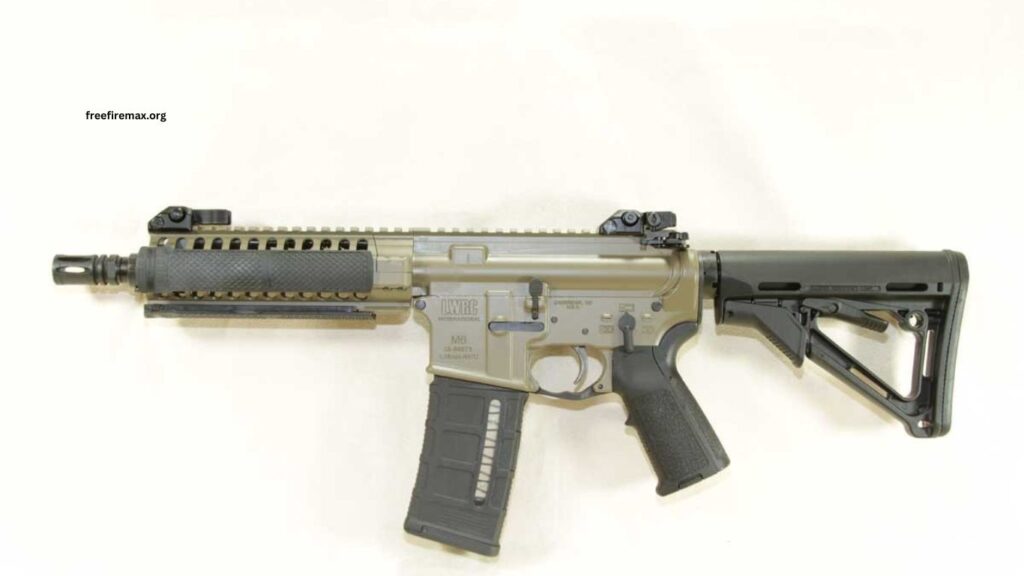
Combat success depends on preparation, awareness, skill, and choosing the right weapon for the environment. Every situation creates unique challenges, and no single weapon delivers the best performance in every scenario. Close-quarters encounters require speed and control, while open environments demand range, precision, and adaptability.
Understanding weapon strengths helps improve decision-making and overall effectiveness. Whether discussing military history, sports, survival training, or video games, selecting the right weapon for the right situation remains one of the most important factors for achieving success.
Read More: How to Master Clash Squad Mode Like a Pro
Understanding Combat Situations
Every combat environment presents different risks and opportunities. Terrain, distance, visibility, weather, and available cover all influence weapon effectiveness. Urban settings require different tools than forests, deserts, or mountains. A weapon that performs exceptionally well in one location may become difficult to use somewhere else.
Successful fighters evaluate surroundings before acting. Careful planning reduces unnecessary risks and improves overall performance during any engagement.
Close-Range Combat
Close-range combat demands quick reactions and excellent weapon handling. Compact firearms, defensive shotguns, or short melee weapons offer greater mobility when movement becomes restricted. Tight hallways, buildings, and enclosed spaces often limit visibility, making fast target acquisition essential.
Training plays an equally important role. Even the most advanced weapon cannot compensate for poor awareness or slow reactions. Proper handling improves confidence and accuracy under pressure.
Medium-Distance Engagements
Medium-distance encounters represent one of the most common combat situations. Weapons designed for balanced accuracy, manageable recoil, and reliable firepower perform exceptionally well at these ranges.
Versatile rifles remain popular because they offer consistent performance across multiple environments. Their flexibility allows users to engage moving targets while maintaining control during extended operations.
A well-balanced weapon helps maintain effectiveness without sacrificing mobility, making it suitable for changing battlefield conditions.
Long-Range Precision
Long-distance engagements require patience, precision, and specialized equipment. Precision rifles combined with quality optics provide superior accuracy across extended distances. Environmental factors such as wind, elevation, and visibility significantly influence shot placement.
Success depends on careful observation rather than rapid firing. Skilled marksmen focus on timing, breathing control, and target identification before taking a shot.
Urban Combat Challenges
Cities create complex combat environments filled with narrow streets, buildings, staircases, and unexpected obstacles. Compact weapons become valuable because they allow faster movement through confined spaces.
Visibility changes quickly in urban areas. Corners, windows, and multiple floors create constant uncertainty. Situational awareness often determines survival more than weapon power alone. Reliable communication and teamwork become essential when operating inside crowded environments.
Open Terrain Operations
Large open fields allow greater visibility and longer engagement distances. Weapons capable of maintaining accuracy over extended ranges provide significant advantages in these environments.
Cover becomes limited, making movement planning extremely important. Combatants must balance mobility with protection while using natural terrain whenever possible. Weather conditions may also affect weapon performance and accuracy during prolonged operations.
Survival and Defensive Scenarios
Survival situations prioritize reliability over complexity. Durable equipment that functions consistently in difficult conditions offers greater long-term value than highly specialized alternatives.
Defensive scenarios require fast access, dependable performance, and confidence through regular training. Responsible ownership, maintenance, and safe storage remain essential parts of defensive preparedness. The best defensive weapon combines reliability with the user’s skill level and familiarity.
Importance of Training
Weapon selection alone never guarantees success. Consistent practice builds confidence, improves accuracy, and strengthens decision-making under pressure.
Training develops essential skills such as target identification, movement, communication, and safety awareness. Experienced professionals continue practicing because every environment introduces new challenges. Knowledge and discipline often provide greater advantages than equipment alone.
Maintenance Improves Reliability
Proper maintenance ensures dependable performance throughout a weapon’s lifespan. Regular cleaning, inspections, and safe storage reduce the likelihood of mechanical issues when reliability matters most.
Neglecting maintenance can affect accuracy, durability, and overall effectiveness. Responsible users understand that equipment requires ongoing care to perform at its best.
Choosing the Right Weapon
Selecting an appropriate weapon involves understanding mission objectives, environmental conditions, and personal experience. A balanced approach considers accuracy, reliability, portability, ammunition availability, and ease of operation.
No universal solution exists for every combat situation. Experienced professionals adapt their equipment according to changing circumstances rather than relying on a single option.
Practical knowledge, sound judgment, and continuous improvement remain the strongest advantages in any challenging environment.
Frequently Asked Questions
What is the best weapon for close-range combat?
Compact weapons designed for fast handling and quick target acquisition are generally more effective in close-range situations.
Which weapon works best at long distances?
Precision rifles with quality optics are commonly preferred for long-range accuracy and controlled engagements.
Why is weapon selection important?
The right weapon improves effectiveness by matching the combat environment, distance, and mission requirements.
Does training matter more than the weapon?
Yes. Proper training, experience, and decision-making often have a greater impact than the weapon itself.
How often should weapons be maintained?
Weapons should be cleaned, inspected, and maintained regularly to ensure reliable and safe performance.
Can one weapon handle every combat situation?
No. Different combat scenarios require different weapon characteristics, so no single weapon is ideal for every situation.
Conclusion
Choosing the best weapon for every combat situation requires careful evaluation of distance, terrain, mobility, and mission objectives. Different environments demand different strengths, making versatility and preparation more valuable than relying on a single weapon. Training, maintenance, and responsible handling ultimately determine effectiveness more than equipment alone. By understanding how various weapons perform across different scenarios, individuals can make informed decisions while emphasizing safety, discipline, and practical skill development.